
November 14, 2025
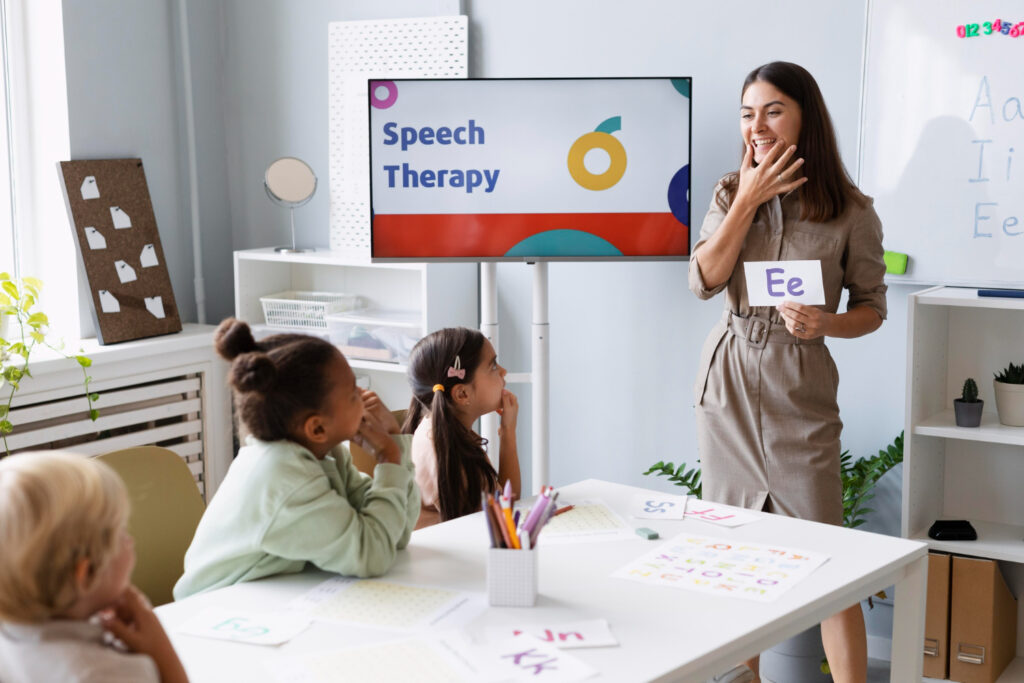
Communication is one of the most important skills a child can develop, yet many children with autism spectrum disorder (ASD) face challenges expressing their needs, sharing their thoughts, and interacting with others. These communication difficulties can lead to frustration, misunderstandings, and barriers to independence. Applied Behavior Analysis (ABA) therapy plays a powerful role in helping children build meaningful communication skills that develop consistently over time.
This guide explores how ABA sessions encourage steady communication growth, what strategies therapists use, and how families can support progress at home.
Communication is more than spoken language — it includes gestures, eye contact, expressions, vocalizations, and the use of assistive tools. When children develop stronger communication skills, they gain the ability to:
ABA therapy provides a structured, supportive approach to help children build these skills at a pace that feels achievable and encouraging.
ABA therapy focuses on breaking communication skills down into manageable steps and teaching them in meaningful, natural environments. Each skill is taught systematically, practiced consistently, and reinforced to ensure long-term success.
Before focusing on full sentences or conversations, ABA therapy emphasizes functional communication — communication that helps the child meet their needs.
This may include teaching a child to:
When children learn to communicate their needs reliably, frustration decreases and their confidence grows.
Children communicate more when they’re motivated. ABA therapists identify what a child loves — a favorite snack, toy, activity, or song — and use it to naturally encourage communication.
For example:
By connecting communication with something meaningful, children are more likely to practice and use the skill consistently.
Once a child masters basic communication, ABA therapy builds on that foundation. Skills are expanded step-by-step, such as:
Each step supports the next, creating steady, continuous progress over time.
Visual supports can make communication clearer and more predictable. ABA therapists may incorporate:
These tools help many children understand and express communication more confidently.
For children working on speech sounds or verbal language, ABA therapists may use a shaping approach. This means:
This gentle progression allows children to feel successful and supported at each level.
Many challenging behaviors happen because a child cannot express a need. ABA therapy helps identify what the child is trying to communicate through behaviors such as:
Then, therapists teach a safe, appropriate communication alternative.
For example:
This shift dramatically improves safety, reduces stress, and builds emotional confidence.
Communication grows best through repetition and consistency. ABA therapy helps children practice skills across:
The more varied the practice, the more naturally children use communication throughout the day.
Family involvement is one of the strongest predictors of communication success. ABA therapists work directly with parents and caregivers to help them:
With ongoing parent training, families become active partners in strengthening their child’s communication skills.
As communication grows, families typically notice:
These small steps add up to meaningful, lasting communication success.
ABA therapy helps children with autism build communication skills in a structured, supportive, and meaningful way. By focusing on functional communication, using motivation, practicing consistently, and involving families, ABA encourages steady growth that children can use in daily life.
Whether a child communicates through words, gestures, signs, or AAC tools, ABA provides the foundation for them to express themselves confidently and connect with the world around them.