
November 20, 2025
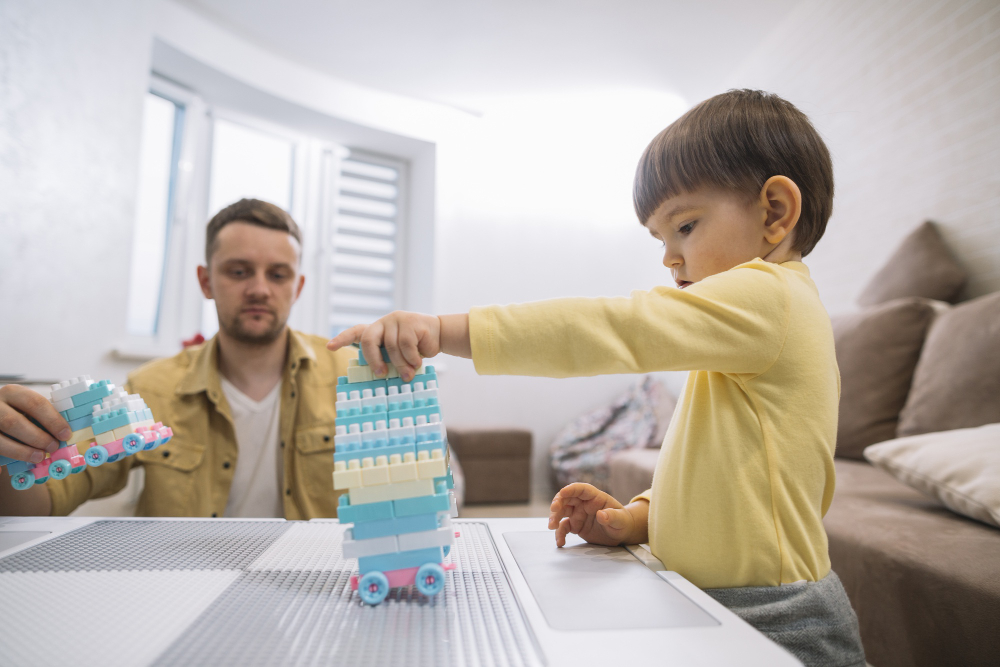
Skills learned in ABA therapy are most effective when children can use them naturally in everyday life. True U ABA places a strong focus on helping families embed ABA based strategies into daily routines so skills are practiced often and remembered long term. When learning connects to real life, children gain confidence, become more independent and retain skills more consistently.
Everyday routines give children repeated opportunities to practice what they learn in therapy. These routines are predictable, consistent and filled with natural moments that encourage skill use. When a child practices a skill many times across different activities, the skill becomes part of their daily behavior rather than something that only happens in therapy sessions.
Morning activities are perfect for strengthening skills because they happen every day. During morning routines children practice:
True U ABA helps families create structured and supportive morning routines that make learning feel natural.
Mealtime includes many opportunities to practice communication and independence. Skills practiced during meals may include:
The repetitive nature of mealtime helps reinforce communication and social skills in a comfortable environment.
Play is one of the most powerful settings for skill retention. During play children can practice:
True U ABA encourages families to use both structured and unstructured play to support long term retention of ABA skills.
Bedtime routines help children practice self regulation and independence. Skills reinforced may include:
Consistent bedtime patterns help children feel safe and stable which makes skill retention more successful.
Community outings help children generalize and retain skills in public settings. Examples include:
These routines help children use communication, safety skills and social behaviors in environments that feel more unpredictable and dynamic.
Visual supports help children remember expectations and complete tasks independently. Using visuals throughout the day increases confidence and strengthens long term retention.
Examples include:
True U ABA teaches families how to use visuals consistently to help children follow routines with greater success.
Skill retention improves when social skills are practiced during genuine interactions. Families can support this by:
These natural interactions reinforce social success beyond therapy sessions.
When everyone uses the same strategies, children retain skills more easily. True U ABA works closely with parents, siblings and extended caregivers so that routines remain consistent and supportive across all environments.
Small successes in daily routines show that ABA skills are sticking. Whether a child independently brushes teeth, follows a bedtime checklist or scans a visual schedule before school, each moment reflects real progress. True U ABA encourages families to celebrate these moments to reinforce confidence and motivation.
Everyday routines are powerful tools that strengthen skill retention in ABA therapy. By integrating learning into morning, mealtime, playtime, bedtime and community activities, children gain repeated practice and long term confidence. True U ABA supports families in creating routines that feel natural, achievable and meaningful so that children can thrive both inside and outside of therapy.