
October 10, 2025
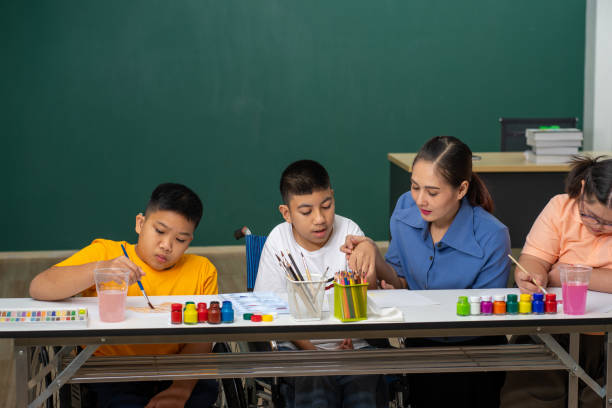
Applied Behavior Analysis (ABA) therapy has emerged as one of the most widely recognized and evidence-based interventions for children with autism spectrum disorder (ASD). But what makes ABA therapy particularly effective is not just its scientific foundation—it’s the way it creates a positive, engaging, and rewarding learning experience for children. In this comprehensive guide, we’ll explore how ABA therapy fosters a nurturing environment that helps children thrive while developing essential life skills.
Applied Behavior Analysis (ABA) is a therapy based on the science of learning and behavior that applies our understanding of how behavior works to real situations, with the goal to increase behaviors that are helpful and decrease behaviors that are harmful or affect learning.
Therapists have used ABA to help children with autism and related developmental disorders since the 1960s. The therapy is delivered by trained professionals, including Board Certified Behavior Analysts (BCBAs) and Registered Behavior Technicians (RBTs), who work together to create individualized treatment plans tailored to each child’s unique needs.
Positive reinforcement is one of the main strategies used in ABA. When a behavior is followed by something that is valued (a reward), a person is more likely to repeat that behavior. Over time, this encourages positive behavior change.
Unlike punitive approaches, modern ABA therapy focuses on celebrating achievements and motivating children through rewards. This could include:
The learner receives an abundance of positive reinforcement for demonstrating useful skills and socially appropriate behaviors. The emphasis is on positive social interactions and enjoyable learning.
A qualified behavior analyst customizes the ABA program to each learner’s skills, needs, interests, preferences and family situation. The BCBA will start by doing a detailed assessment of each person’s skills and preferences. This personalized approach ensures that:
Activities picked by the ABA therapist are usually chosen to align with the child’s developmental objectives and may include puzzles, matching games, storytelling, singing songs, and other play-based approaches. The emphasis is on making learning enjoyable and age-appropriate, and gradually introducing more structured tasks as the child progresses. This approach fosters skill development in a positive and nurturing therapeutic environment.
Playing allows children to create a positive connection with their ABA therapist and the broader ABA therapy experience. The joy and comfort derived from enjoyable interactions play a pivotal role in facilitating learning and nurturing a positive rapport between the child and their ABA therapist.
The instruction plan breaks down each of these skills into small, concrete steps. The therapist teaches each step one by one, from simple (e.g. imitating single sounds) to more complex (e.g. carrying on a conversation). This gradual progression allows children to:
A positive learning environment is foundational to effective ABA therapy, facilitating not only skill acquisition but also enhancing the overall experience for children with autism. By implementing structured routines, utilizing environmental supports, and engaging in positive reinforcement, therapists and educators can create spaces that not only support learning but also foster confidence and independence.
One of the primary areas where ABA therapy proves highly beneficial to young children is in improving communication skills. ABA treatment systematically targets these deficits, breaking down communication into smaller teachable steps and utilizing various behavioral strategies. This helps toddlers learn to express their needs, share their emotions, and engage more meaningfully with the people around them.
ABA is considered an evidence-based best practice treatment by the US Surgeon General and by the American Psychological Association. “Evidence based” means that ABA has passed scientific tests of its usefulness, quality, and effectiveness.
More than 20 studies have established that intensive and long-term therapy using ABA principles improves outcomes for many but not all children with autism. “Intensive” and “long term” refer to programs that provide 25 to 40 hours a week of therapy for 1 to 3 years. These studies show gains in intellectual functioning, language development, daily living skills and social functioning.
Catherine Lord, PhD, a pioneering autism researcher and clinician now at UCLA, notes that most therapists doing traditional ABA are trained to be super-animated and fun. Most ABA therapists and programs now don’t use the DTT format, where the child sits at the table, but are play-based.
Contemporary ABA therapy emphasizes:
The ABA is a therapeutic program that can enhance social, communicative, and learning skills through positive reinforcement and individualized instruction. The ultimate goal is not just behavioral change, but helping children develop skills that improve their quality of life, increase their independence, and enable them to participate more fully in their families, schools, and communities.
Many parents have observed that their children show increased engagement and improved communication skills after participating in ABA programs. These improvements often extend beyond the therapy sessions, positively affecting family dynamics and integration within social environments.
ABA therapy creates a positive learning experience for children by combining evidence-based techniques with compassion, individualization, and a focus on celebrating every achievement. Through positive reinforcement, play-based learning, and a supportive environment, children not only develop essential skills but also gain confidence, experience joy in learning, and build meaningful connections with their therapists and families.
If you’re considering ABA therapy for your child, look for providers who emphasize positive reinforcement, individualized treatment plans, and a play-based, naturalistic approach. The right ABA program can make a transformative difference in your child’s development and overall well-being.