
November 14, 2025
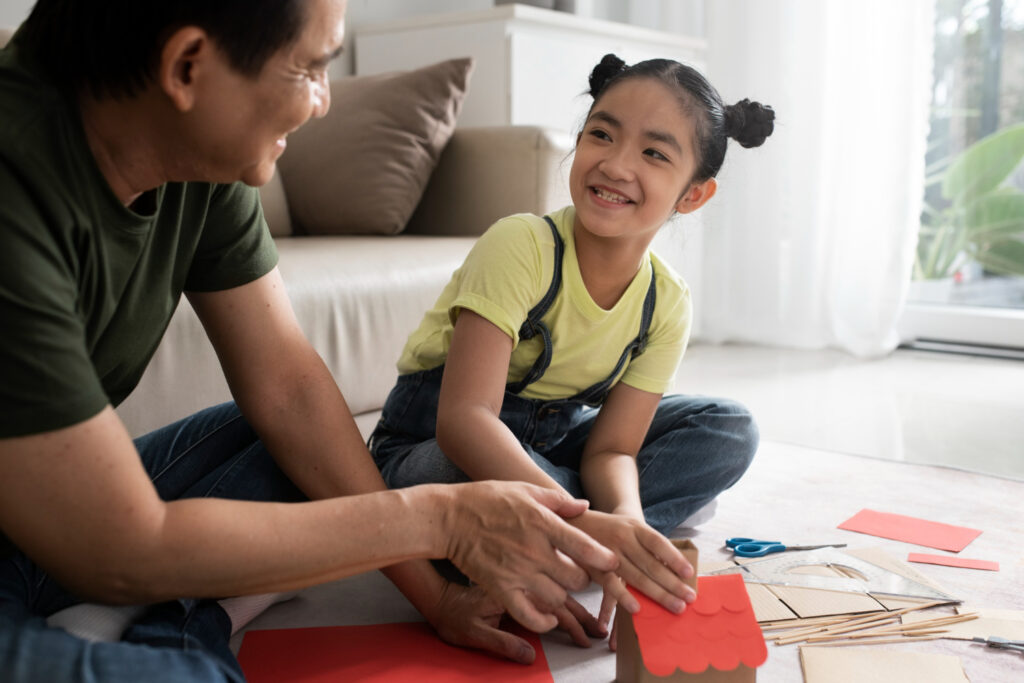
Community outings — like going to the park, grocery store, doctor’s office, or a family restaurant — are a normal part of everyday life. But for many families raising children with autism spectrum disorder (ASD), these outings can feel stressful or overwhelming. Unexpected noises, new environments, unfamiliar routines, and safety concerns can all make trips outside the home challenging.
Applied Behavior Analysis (ABA) therapy plays a powerful role in helping children learn the skills they need to navigate community settings safely and confidently. Through individualized teaching, practice in natural environments, and support for behavior regulation, ABA empowers children to engage in community outings with greater ease.
This guide explains how ABA therapy prepares children for safer community outings and why these skills are essential to long-term independence.
Every child is unique, but some common difficulties during community outings may include:
ABA therapy addresses these challenges directly — teaching children the emotional, communication, and safety skills needed to participate successfully in community trips.
ABA therapy breaks down complex community skills into manageable steps. Before a child practices a community outing, therapists often work on:
This step-by-step instruction helps children understand expectations clearly and gives them the structure they need to feel more comfortable in new surroundings.
ABA therapy teaches critical safety skills that support children during community outings, including:
These skills are practiced repeatedly — first at home, then gradually in the community — until the child demonstrates them more independently.
Positive reinforcement is one of the most effective ABA strategies for teaching safety behaviors. When children follow a safety rule or complete a step correctly, they receive praise, a reward, or access to something meaningful. This motivates them to continue the behavior in the future.
For example:
These small, consistent reinforcements build long-lasting habits that support safer community outings.
Many children with autism benefit from visual tools that help them understand what to expect. ABA therapists often create:
These supports reduce anxiety and help children feel more confident as they transition between different places.
If a child is sensitive to new environments, ABA therapy uses a gradual exposure approach. This might look like:
This slow, steady introduction helps children adjust at their own pace while building comfort and familiarity.
Behavioral challenges can sometimes occur during outings. ABA therapy helps children learn alternative behaviors that support safety and independence, such as:
By replacing unsafe behaviors with more adaptive skills, children become better equipped to handle the unexpected.
Communication is essential during community trips. ABA therapy helps children learn to:
For nonverbal children, therapists may incorporate AAC devices, picture exchange systems (PECS), or communication boards. Effective communication helps prevent frustration and ensures outings remain safe and positive.
Families are central to helping children succeed in the community. ABA therapists work closely with caregivers to:
This collaboration ensures families feel confident and supported while helping their child learn real-world skills.
When practiced consistently, ABA strategies lead to meaningful improvements in community participation. Families often see progress such as:
These gains build over time and support long-term independence.
The skills children learn through ABA therapy extend far beyond early childhood. As they grow, they use these same skills in:
Learning to navigate the community safely is one of the most important steps toward independence — and ABA therapy provides the structure and support children need to thrive.
ABA therapy plays a vital role in helping children with autism participate safely and successfully in community outings. Through structured teaching, real-world practice, behavior support, and strong family collaboration, ABA empowers children to build the skills they need to engage confidently with the world around them.
With patience, consistency, and the right guidance, families can enjoy more positive and meaningful experiences together — both inside the home and out in the community.