
October 10, 2025
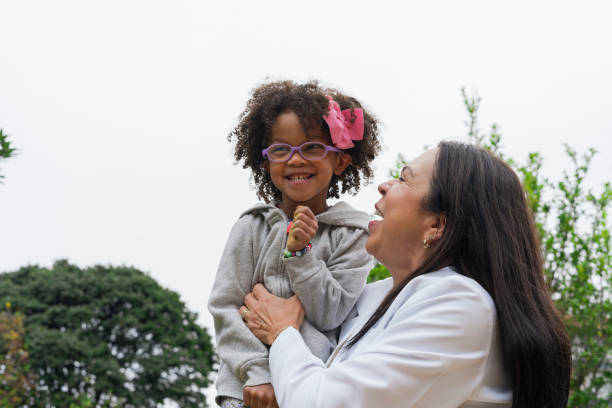
Applied Behavior Analysis (ABA) therapy has emerged as a powerful, evidence-based approach for teaching individuals with autism spectrum disorder (ASD) essential life skills—including critical safety behaviors that enable them to navigate community settings more independently and securely. From crossing streets safely to recognizing emergency situations, ABA therapy provides a structured framework that transforms how individuals with autism interact with the world around them.
Applied Behavior Analysis involves many techniques for understanding and changing behavior, and can be adapted to meet the needs of each unique person and provided in many different locations—at home, at school, and in the community. ABA is considered an evidence-based best practice treatment by the US Surgeon General and by the American Psychological Association, with “evidence based” meaning that ABA has passed scientific tests of its usefulness, quality, and effectiveness.
The beauty of ABA therapy lies in its flexibility and individualized approach. Rather than offering one-size-fits-all solutions, a qualified and trained behavior analyst (BCBA) designs and directly oversees the program, customizing the ABA program to each learner’s skills, needs, interests, preferences and family situation.
Studies show that over 80% of children with autism may engage in wandering behaviors, and to mitigate this risk, ABA strategies involve customized safety plans, individualized supervision strategies, and the use of tracking devices. ABA therapists work systematically to teach children to respond to “stop” commands, stay within designated boundaries, and understand the consequences of leaving safe areas.
By focusing on core areas—wandering prevention, danger recognition, and emergency responses—ABA therapy fosters a safer environment and equips children with the essential skills to navigate their world confidently. Children learn to identify potentially hazardous situations such as busy traffic, unfamiliar adults, or emergency scenarios through structured teaching methods.
Understanding how to interact with strangers is crucial for safety, and techniques such as modeling appropriate responses, using social stories, and role-playing situations where a child might encounter a stranger can enhance comprehension, with visual aids and positive reinforcement further solidifying their understanding of safe behaviors.
Several studies have shown behavioral skills training as an effective method to teach children safety skills such as fire safety, gun safety, and saying no to a stranger who is trying to get the child to go somewhere with them.
BST consists of four essential components:
Implementing an evidence-based safety skills training program involves not only BST but in-situ assessments as well to evaluate the effects of training and incorporating IST when needed, with research showing that BST is effective for 48.3% of participants suggesting that IST may be needed 51.7% of the time following BST. This real-world practice ensures that skills transfer effectively from training environments to actual community settings.
Positive reinforcement is one of the main strategies used in ABA—when a behavior is followed by something that is valued (a reward), a person is more likely to repeat that behavior, and over time, this encourages positive behavior change. This fundamental principle helps children associate safe behaviors with positive outcomes, making them more likely to maintain these behaviors in community settings.
The location where services are provided can play an important role in the overall success of programming because it can help foster generalization (i.e., the ability for the new skill to be successfully exhibited across settings), with the most optimal environment determined based on the needs of the individual receiving therapy.
Fostering generalization across various settings is crucial, and when parents reinforce skills in multiple environments—such as at home, in the park, or during community outings—it helps children apply what they’ve learned in diverse contexts, with this adaptability being essential for developing lasting safety awareness and skills.
The community setting is a perfect location for therapy when addressing social skills or skill maintenance for goals like making purchases in the community, ordering from a menu, or shopping from a list, with behavior therapists specifically trained to address coping with transitions, deescalating problem behavior, and navigating a variety social contexts and exchanges, and the overall goal of community-based services being to help the individual receiving therapy access the world around them in a meaningful way while also ensuring the family can also fully enjoy time together.
Parents, family members and caregivers receive training so they can support learning and skill practice throughout the day, giving the person with autism many opportunities to learn and practice skills each day in both planned and naturally occurring situations.
The involvement of parents and caregivers is crucial in this process, as they play an essential role in providing consistent reinforcement of the learned skills both at home and in community settings.
Studies show that ABA significantly affects socialization, communication and expressive language, and some studies have shown that when ABA therapy was used for more than 20 hours a week during the first few years of life (before age 4), it produced large gains in development and even reduced the need for special services later in life.
Research results indicated that the behavioral analysis program significantly impacts institutionalized children’s social and communicative skills, improving their daily lives (p < .05), with findings demonstrating that the applied behavior analysis program significantly improves the social, communicative, and daily life skills of institutionalized children with autism spectrum disorder.
By leveraging ABA therapy techniques, educators and parents can effectively enhance safety awareness among individuals with autism, with the structured, individualized approach ensuring these learners not only understand safety rules but can also apply them in real-world scenarios, lowering their risk of injury and increasing their autonomy.
Safety skills taught through ABA therapy go far beyond rule memorization—they empower individuals with autism to make independent decisions, assess risks appropriately, and respond confidently to challenges they encounter in community environments.
ABA therapy represents a comprehensive, scientifically validated approach to promoting safer behavior in community settings for individuals with autism spectrum disorder. Through evidence-based techniques like Behavioral Skills Training, In Situ Training, and positive reinforcement, combined with individualized programming and family involvement, ABA equips individuals with the practical skills they need to navigate the world more safely and independently.
Integrating comprehensive safety awareness into ABA therapy is essential for safeguarding individuals with autism and promoting their independence, with research-supported techniques like BST and IST, adapting instruction to individual needs, and involving families and community resources forming the backbone of effective safety education, fostering confidence, reducing risks, and ultimately improving quality of life, with continued emphasis on safety training ensuring that individuals with autism can navigate their environments safely, confidently, and with greater autonomy throughout their lives.