
November 14, 2025
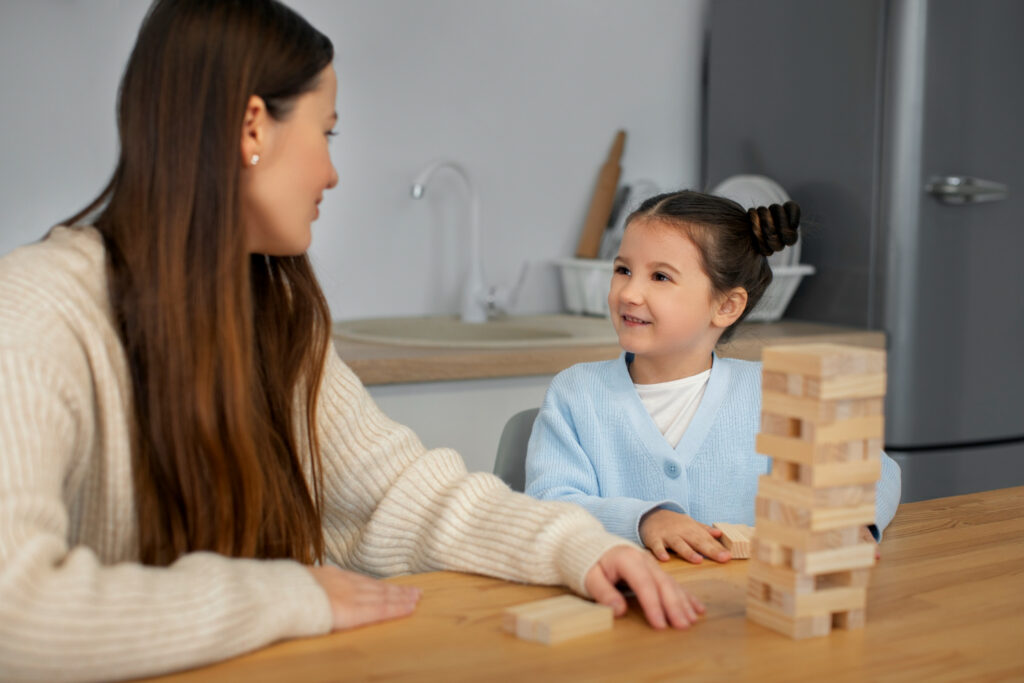
Creating a safe and supportive home environment is one of the most important goals for families raising children with autism spectrum disorder (ASD). Many children with ASD experience unique challenges related to sensory processing, communication, and behavior, which can increase safety risks at home. Applied Behavior Analysis (ABA) therapy provides families with practical, research-backed strategies to help children build safer habits, reduce risks, and develop routines that promote long-term independence.
This guide explores practical ways ABA therapy encourages safer home environments and how families can use these tools every day.
Home is where children spend most of their time — learning, exploring, playing, and navigating daily routines. For children with autism, the home environment can present specific safety challenges, such as:
ABA therapy helps children build the skills they need to stay safe, while also helping families create predictable routines and supportive environments.
ABA therapy uses evidence-based strategies to teach safety skills, reduce dangerous behaviors, and build positive routines that support a secure home environment.
ABA therapists work with families to identify safety concerns and teach clear, easy-to-follow rules such as:
These rules are practiced regularly using visual cues, modeling, role-play, and reinforcement until the child can follow them more independently.
ABA therapy helps identify the reasons behind unsafe behaviors — whether sensory, communication-based, or related to frustration — and replaces them with safer, more appropriate alternatives.
For example:
By addressing the “why” behind behavior, ABA reduces risk and increases safety at home.
Visual tools are an essential part of ABA therapy and can dramatically improve safety at home. Therapists often use:
These supports help children understand expectations, navigate the home safely, and reduce anxiety around routines.
Many safety challenges at home stem from difficulty communicating needs. ABA therapists teach functional communication skills such as:
When children can communicate effectively, they are less likely to engage in unsafe behaviors to get their needs met.
Daily routines offer natural opportunities to teach safety. ABA therapy incorporates safety skills into the moments children experience every day.
Children learn:
ABA therapists may use visual barriers, timers, or red-light/green-light rules for added structure.
Skills include:
Routines are broken down into simple steps so children can learn safely at their own pace.
ABA therapy supports:
Structured playtime can also reinforce safety and responsibility.
Therapists help children practice:
These skills are critical for preventing wandering or elopement.
Big emotions can lead to unsafe behaviors at home. ABA therapy teaches children how to manage emotions safely by practicing:
When children are regulated, they can follow safety rules more effectively.
A major strength of ABA therapy is the support it provides to families. Therapists work closely with parents to:
This partnership ensures safety practices are followed even when the therapist is not present — creating lasting habits.
Over time, families often notice meaningful improvements such as:
These changes contribute to a home environment that feels calmer, more predictable, and safer for everyone.
ABA therapy provides families with practical tools to create a safer home environment that supports learning, independence, and emotional well-being. Through consistent teaching, behavior support, communication skills, and strong family collaboration, children gain the skills they need to understand safety, follow routines, and move confidently through their day.
With patience, structure, and the right guidance, every child can learn to navigate their home safely and successfully.