
October 3, 2025
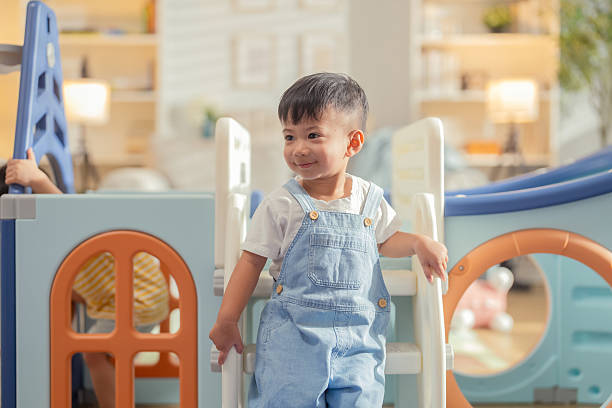
When it comes to helping children with autism spectrum disorder (ASD) develop essential life skills, Applied Behavior Analysis (ABA) therapy has long been recognized as one of the most effective approaches. But what if therapy didn’t feel like work at all? What if learning could happen naturally through something every child loves—play? That’s exactly what play-based ABA therapy delivers: a powerful combination of structured intervention and joyful exploration that transforms the therapeutic experience.
Play-based ABA therapy combines the benefits of play with the proven techniques of Applied Behavior Analysis to create a dynamic and naturalistic learning environment for children on the autism spectrum. Unlike traditional therapy approaches that may rely heavily on structured drills and repetitive exercises, play-based methods integrate learning goals seamlessly into activities children naturally enjoy.
Play-based ABA therapy is child-centered and, unlike other traditional forms of therapy which involve adult-directed instruction, hones the child’s interests and motivations as the therapist observes and engages with the child during play, using their interests to guide the learning process.
According to research highlighted by the American Academy of Pediatrics, play enhances brain structure and function and promotes executive function, which allows children to pursue goals and ignore distractions. For children with autism, these cognitive benefits become even more critical as they work to develop communication, social, and behavioral skills.
Play is crucial for the cognitive, social, and emotional development of young children, providing opportunities for children to explore their environment, develop problem-solving skills, and build relationships with others.
One of the most significant advantages of play-based learning is that children don’t realize they’re working toward therapeutic goals. Kids don’t realize they’re working when therapy is play-based, and if children are having fun, they don’t necessarily know they are working towards a goal. This natural engagement leads to longer, more productive therapy sessions and better outcomes overall.
Play-based ABA therapy helps children improve their social skills as they learn important concepts like turn-taking, sharing, and cooperation through play, which are essential for building relationships and navigating social situations. Through group games, cooperative activities, and peer interactions, children practice real-world social scenarios in a supportive environment.
Through activities like storytelling and role-playing, children enhance their communication skills in natural, engaging ways. When learning is embedded in play, children are more motivated to communicate their wants, needs, and ideas, leading to meaningful language development.
By integrating play into therapy, therapists help children generalize the skills they learn to other settings and situations, meaning that the child can apply what they’ve learned during play to real-life interactions and activities. This transfer of skills from therapy to home, school, and community settings is crucial for long-term success.
Play creates an opportunity for natural reinforcement versus more contrived motivators, and when teaching through play, play itself becomes a more positive and reinforcing experience, therefore children will want to engage in it more frequently. This intrinsic motivation is far more powerful than external rewards alone.
Enjoyable play experiences reduce stress and anxiety commonly associated with learning, creating a positive environment for development. When children feel safe and happy, they’re more open to trying new things and taking developmental risks.
Play enables a kid-led learning approach versus therapist-led, and certain ABA teaching methods like Natural Environment Training (NET) or Pivotal Response Training (PRT) capitalize on the child’s choice, making learners naturally motivated by activities they’re playing with and more willing to participate.
ABA therapists employ various play-based strategies to target specific developmental goals:
The benefits of play-based ABA therapy extend far beyond the therapy session. Parents can play a crucial role in supporting their child’s development by incorporating play into daily routines. Here are some practical ways to reinforce therapy goals:
There’s increasing recognition of the power of play in making ABA therapy more engaging and effective. As our understanding of child development continues to evolve, play-based approaches are becoming the gold standard in autism therapy—not as an addition to traditional methods, but as an integral component that makes learning natural, joyful, and sustainable.
Play-based ABA therapy recognizes a fundamental truth: children learn best when they’re enjoying themselves. By harnessing the motivational power of play, therapists can help children with autism develop the skills they need to thrive—all while having fun along the way.
The benefits of learning through play in ABA therapy are clear and compelling. From increased engagement and improved social skills to better generalization and reduced anxiety, play-based approaches offer a holistic path to development that honors both the science of learning and the joy of childhood. If you’re considering ABA therapy for your child, ask potential providers about their approach to play-based learning—it could make all the difference in your child’s therapeutic journey.