
October 30, 2025
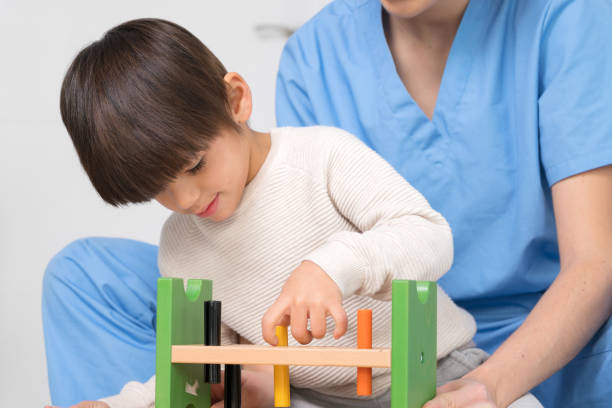
Applied Behavior Analysis (ABA) therapy has become the gold standard for treating autism spectrum disorder (ASD), with studies showing success rates exceeding 89% in improving cognitive abilities, communication skills, and adaptive behaviors. But what many families don’t realize is that the most effective ABA programs don’t just work with children—they actively involve parents as essential partners in the therapeutic process. Here’s why this collaborative approach makes all the difference.
ABA therapy is built on behavioral science principles that emphasize consistency, repetition, and reinforcement. When parents participate actively in their child’s therapy, they become crucial agents of change who can apply evidence-based strategies throughout daily life—not just during scheduled therapy sessions.
Research demonstrates that children who receive at least 20 hours per week of ABA therapy make greater progress than those who receive less than 10 hours per week. However, therapy hours alone aren’t enough. The real transformation happens when families extend therapeutic principles into everyday environments.
One of the primary reasons ABA programs include both parents and children is to promote generalization—the ability to apply learned skills across different settings, people, and situations. Parental involvement is important because it helps ensure that the behaviors learned generalize into the home environment and elsewhere.
Without parents continuing to use the ABA techniques taught in their children’s structured intervention programs, it’s easy to undo the new skills their children pick up if they’re not constantly being reinforced within the home, community, and wherever parents are present with their children.
Think of it this way: if a child learns to communicate their needs effectively with a therapist in a clinic, but those same skills aren’t reinforced at home during mealtimes, playtime, or bedtime routines, the progress can stall or even regress.
The data on parent involvement in ABA therapy speaks for itself:
These statistics underscore a critical reality: parental support and involvement are not optional add-ons to ABA therapy—they’re fundamental components that directly impact treatment outcomes and longevity.
Modern ABA programs include structured parent training as a core component. Researchers discovered that parents were satisfied with the training they received and felt they played an important part in the creation and implementation of the program. As a result of the training they received, parents felt empowered and more in control of their family and home environment, which only strengthened their overall satisfaction with ABA therapy and its success.
Parent training in ABA typically covers:
While the primary goal is to support the child’s development, parent involvement in ABA therapy creates ripple effects throughout the entire family system. Parents’ Self-efficacy, Knowledge, and Belief in ABA were significantly correlated with their Involvement.
When parents gain confidence in their ability to support their child effectively, family stress decreases, communication improves, and the parent-child bond strengthens. Parents transition from feeling overwhelmed by their child’s diagnosis to feeling empowered as active contributors to their child’s progress.
Children with autism often struggle with transitions and changes in routine. When both parents and therapists use the same strategies, language, and reinforcement methods, it creates a predictable and supportive environment that helps children feel secure and understand expectations.
This consistency is why effective ABA programs emphasize regular communication between therapists and parents. Weekly check-ins, progress reports, and collaborative goal-setting ensure everyone is working toward the same objectives using aligned approaches.
Despite the clear benefits, some families face obstacles to full participation in ABA programs. Common barriers include:
Quality ABA programs recognize these challenges and provide flexible, culturally responsive training that meets families where they are. The goal is to support parents as partners, not to add to their burden.
ABA therapy programs include both parents and children because autism intervention isn’t something that happens to a child—it’s a collaborative process that works with families to create meaningful, lasting change.
The key to getting more parents actively involved in your ABA program is a quality training program. Parental training programs teach parents the practical strategies they need to handle problem behaviors, “lead[ing] to an increased understanding of the child, which often leads to improved parent/child relations.”
When parents and therapists work together as a unified team, children receive consistent support across all areas of their lives. Skills learned in therapy sessions transfer to home, school, and community settings. Progress accelerates. Families feel empowered. And children with autism gain the tools they need to reach their full potential.
If you’re considering ABA therapy for your child, look for programs that prioritize parent training and involvement. Ask about the frequency and format of parent sessions, the support available to families, and how the program promotes generalization of skills. The most effective ABA programs recognize that when they invest in both children and parents, everyone succeeds.