
October 16, 2025
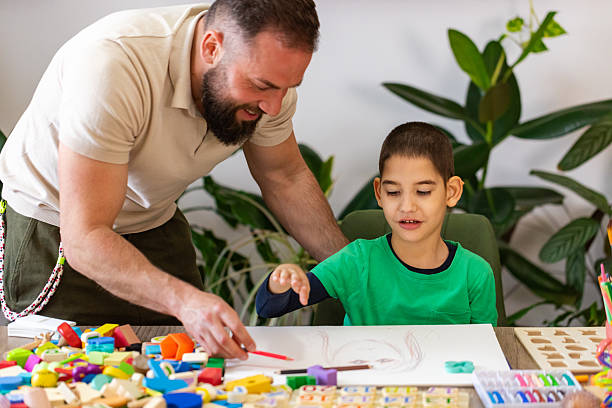
When parents receive an autism spectrum disorder (ASD) diagnosis for their child, one of the first major decisions they face is choosing the right therapeutic approach. Among the evidence-based treatments available, Applied Behavior Analysis (ABA) therapy stands out as the gold standard, recognized by more than 20 studies as an effective intervention that can improve functional status, behavior, and communication. But beyond deciding on ABA itself, families must also determine where their child will receive services—and increasingly, they’re choosing in-home ABA therapy. This comprehensive guide explores why families are making this choice and what makes home-based ABA therapy such an effective option for autism support.
Before diving into the specific advantages of in-home delivery, it’s important to understand what ABA therapy is and why it’s considered the most effective treatment for autism. ABA is a scientifically validated approach that focuses on understanding and modifying behavior through systematic observation and intervention. ABA is considered an evidence-based best practice treatment by the US Surgeon General and by the American Psychological Association, meaning that ABA has passed scientific tests of its usefulness, quality, and effectiveness.
The statistics supporting ABA therapy’s effectiveness are compelling. Studies have shown that ABA therapy has an over 89% success rate in treating autism spectrum disorder in children, with meta-analytic studies concluding that these interventions are highly effective for children with ASD. More than 20 studies have established that intensive and long-term therapy using ABA principles improves outcomes for many children with autism, where “intensive” and “long term” refer to programs that provide 25 to 40 hours a week of therapy for 1 to 3 years.
Research has demonstrated improvements across multiple developmental domains. Compared to treatment as usual, minimal or no treatment, comprehensive ABA-based interventions showed medium effects for intellectual functioning (standardized mean difference SMD = 0.51) and adaptive behavior (SMD = 0.37). These measurable outcomes provide families with confidence that their investment of time and resources will yield meaningful results for their child’s development.
One of the most compelling reasons families choose in-home ABA therapy is the comfort and security that comes from receiving services in a familiar setting. In-home ABA therapy provides a familiar and comfortable environment where the child feels secure, which can enhance their ability to learn and engage in therapy activities.
For children with autism, who often experience sensory sensitivities and anxiety in unfamiliar environments, this familiarity is more than just a nice-to-have—it’s therapeutic. Children with autism often experience sensory sensitivities that can be triggered by unfamiliar environments, and in-home therapy allows the child to remain in a comfortable setting, reducing anxiety and distractions, which supports better focus and engagement.
The home environment also offers something that no clinic can replicate: authenticity. When therapists work with children in their natural environment, they can observe behaviors in the contexts where they actually occur. The therapist can observe behaviors in a more natural environment, which helps the therapist create a treatment plan well suited to the child’s individual needs. This real-world context provides invaluable insights that inform more effective interventions.
A fundamental principle of effective therapy is skill generalization—the ability to apply learned skills across different settings and situations. In-home ABA therapy excels in this area because it teaches skills in the very environment where children will use them most frequently.
By receiving therapy at home, children with autism have the opportunity to generalize newly acquired skills more effectively to real-life situations and settings. Rather than learning a skill in a clinic and then having to transfer that learning to home, children can immediately practice and apply new abilities in their natural environment.
Home is where children learn essential life skills, such as dressing and interacting with siblings, and in-home ABA teaches these skills in relevant contexts, as a therapist working in the home can integrate lessons into daily routines, making therapy both functional and comprehensive. This could mean practicing communication skills during snack time, working on self-care during morning routines, or developing social skills during family interactions—all in the actual settings where these skills will be needed.
It may be easier for children to learn self-care skills in the same place they will be using them, such as a child learning potty training skills using their own toilet and bathroom. This practical, in-context learning often leads to faster skill acquisition and better retention.
Perhaps the most significant advantage of in-home ABA therapy is the increased opportunity for family participation. Research consistently demonstrates that family involvement is not just beneficial—it’s essential to therapeutic success.
Engaging families in the therapy process leads to enhanced outcomes and supports behavior modification, as family involvement is crucial to the success of ABA therapy, promoting consistency, generalization, and long-term success. When parents and siblings are actively engaged in the therapeutic process, children make faster progress and maintain their gains more effectively over time.
In-home therapy naturally facilitates this involvement. Family involvement is maximized, enabling parents and caregivers to actively participate in the therapy process and reinforce skills learned during sessions. Parents can observe sessions in real-time, ask questions immediately, and learn strategies that they can implement throughout the day—not just during scheduled therapy hours.
Providing ABA therapy at home naturally provides more opportunities for parental and other family involvement and education, and when parents are able to continue ABA therapy techniques outside of therapy sessions, there may be a greater improvement in outcomes. This continuous reinforcement creates a powerful learning environment that extends far beyond the therapist’s scheduled hours.
Research published in the Journal of Applied Behavior Analysis indicates that parent involvement significantly enhances treatment outcomes, with children showing 23% greater improvement when parents are actively trained in ABA techniques. This statistic alone demonstrates the transformative power of the family-centered approach that in-home therapy enables.
Modern families juggle multiple responsibilities, and the logistics of getting to and from therapy appointments can create significant stress. In-home ABA therapy eliminates these practical barriers.
When ABA therapy is conducted in your home, you do not need to change your schedule to fit the therapy session, and you can also save the time and money you might spend on a commute to an autism center. This is particularly valuable for families with multiple children, single-parent households, or families where parents work non-traditional hours.
Therapy sessions at home allow for greater flexibility in scheduling, making it easier to integrate therapy into daily routines without disrupting other activities. Sessions can be scheduled around nap times, mealtimes, or other family commitments, creating a more sustainable long-term therapy plan.
The elimination of commute time also means that therapy hours can be spent on actual intervention rather than travel. For a family receiving 20 hours of weekly therapy, saving even 30 minutes each way per session can add up to several additional hours of quality time each week—time that would otherwise be spent in cars, buses, or waiting rooms.
Some challenging behaviors are more prevalent at home or only occur in specific home-based contexts. Sometimes, some habits are more prevalent when your child is at home, and a therapist can easily address these behavioral issues in their natural setting with home-based ABA therapy.
Whether it’s bedtime resistance, mealtime difficulties, sibling conflicts, or morning routine challenges, having a therapist present in the home allows for direct observation and intervention in the moment these behaviors occur. This immediate, contextual approach is far more effective than trying to recreate or discuss these situations in a clinical setting.
Therapists can also work on specific home-based skills that are difficult to address elsewhere. For early learners, in-home services can follow daily routines such as toilet training, dressing, learning to tie shoes, and depending on the session time, your child can work on the morning routine—get dressed, eating breakfast, or nighttime routine—having dinner, undressing, and getting ready for bed.
Every child with autism is unique, with individual strengths, challenges, and learning styles. ABA therapy at home promotes a personalized and holistic approach to treatment, tailored to the specific needs and preferences of the child and their family.
In-home therapists can customize interventions based on the child’s interests, favorite toys, and family routines. They can incorporate siblings into sessions, involve grandparents in training, and adapt strategies to fit the family’s cultural values and communication styles. This level of personalization is more challenging to achieve in a standardized clinic environment.
The holistic nature of in-home therapy also means that therapists gain insights into the entire family system. They understand family dynamics, identify natural reinforcers in the home, and can address challenges that affect the whole family—not just the individual child. This comprehensive perspective leads to more sustainable and meaningful interventions.
Although in-home therapy can be for toddlers, teens, and adults with Autism, younger children from ages 2-5 who spend most of their time in a home environment can benefit the most. For families with very young children, in-home services provide an ideal starting point that doesn’t require the child to adapt to an unfamiliar setting before they’re developmentally ready.
For children with more severe symptoms or significant behavioral challenges, starting with in-home therapy can build a foundation of comfort and trust before potentially transitioning to more socially complex environments. The home provides a controlled setting where therapists can work on foundational skills without the additional stressors of a group environment.
The importance of family involvement in ABA therapy cannot be overstated, and research continues to demonstrate its critical role in positive outcomes. Parent-implemented interventions through parent training are listed as an evidence-based practice by the National Clearinghouse on Autism Evidence and Practice.
Studies have shown that when families are actively engaged in their child’s therapy, improvements extend beyond the specific skills being targeted. Communication within the family improves, stress levels decrease, and parents report feeling more confident and empowered in supporting their child’s development. The educational component of in-home therapy transforms parents from passive observers into skilled co-therapists who can facilitate learning opportunities throughout each day.
Most parents interviewed about their experiences with in-home ABA therapy report a positive impact on their family life. This satisfaction isn’t just about the child’s progress—it reflects the whole-family benefits that come from having professional support integrated into daily life.
While cost should never be the primary factor in choosing therapy, it’s a practical consideration for most families. Understanding the investment required helps families plan appropriately and explore available resources.
The cost of ABA therapy varies significantly based on intensity and duration. An hour of in-home ABA therapy typically costs $$120–$$150, though many insurance plans now cover ABA services, particularly following state-level autism mandates. According to the Centers for Disease Control and Prevention (CDC), children with autism require an average of $17,000 more in care annually than children without the condition, with children with severe autism potentially needing an extra $21,000 per year compared to neurotypical peers.
However, these figures must be considered in context. Many insurance plans provide coverage for ABA therapy, and various funding sources—including Medicaid waivers, state programs, and nonprofit scholarships—can help make services accessible. The savings in travel time and transportation costs with in-home therapy can also add up over time.
Moreover, the potential for better outcomes through enhanced family involvement means that in-home therapy may lead to more efficient skill acquisition, potentially reducing the total duration of intensive services needed. When parents become skilled at implementing ABA strategies, therapeutic learning happens during every interaction, not just during scheduled sessions.
It’s important to note that in-home and center-based ABA therapy aren’t mutually exclusive. Many families benefit from a hybrid approach that combines the advantages of both settings. A study published in the Journal of Autism and Developmental Disorders in 2017 highlighted that a blended approach combining in-home and in-clinic ABA therapies led to significant enhancements in children’s adaptive behaviors, suggesting that combining these two types of therapy could benefit your child.
Some families start with in-home services to build foundational skills and family capacity, then add center-based services to work on peer interactions and classroom readiness. Others use center-based services as primary intervention and supplement with in-home sessions to address specific home-based challenges or involve family members who can’t attend clinic sessions.
The key is matching the service delivery model to your child’s current needs, developmental stage, and family circumstances. These needs will likely evolve over time, and flexibility in service delivery can accommodate these changing requirements.
Beyond statistics and research findings, the real measure of in-home ABA therapy’s value comes from the families who choose it. Parents consistently report that having therapists in their homes transforms not just their child’s abilities, but their entire family’s quality of life.
Siblings learn how to support their brother or sister. Parents gain confidence in their ability to facilitate learning and manage challenging behaviors. Grandparents and other extended family members can participate in training sessions. The whole family system becomes stronger and more capable.
The opportunity to observe professional therapists working with their child gives parents valuable modeling. They see exactly how to deliver prompts, how to reinforce desired behaviors, and how to respond to challenging moments. This observational learning is powerful and immediate, and it happens naturally in the in-home setting.
Choosing in-home ABA therapy is a deeply personal decision that should be based on your child’s individual needs, your family’s circumstances, and your priorities and values. While in-home therapy offers numerous advantages—from the comfort of a familiar environment to enhanced family involvement to practical convenience—it’s not the only path to success.
Consider your child’s age, developmental level, sensory sensitivities, and behavioral profile. Think about your family’s schedule, resources, and capacity for active involvement. Discuss options with your child’s treatment team, including your Board Certified Behavior Analyst (BCBA), to determine the service delivery model that will best support your child’s goals.
Remember that intensive and long-term therapy using ABA principles improves outcomes for many but not all children with autism, with studies showing gains in intellectual functioning, language development, daily living skills and social functioning. The setting matters, but what matters most is receiving high-quality, individualized, evidence-based intervention from qualified professionals who partner with your family.
In-home ABA therapy represents a powerful approach to autism intervention that leverages the strengths of the family system and the authenticity of the natural environment. By bringing professional expertise directly into the home, this service delivery model maximizes learning opportunities, empowers families, and creates sustainable pathways to progress.
The research is clear: ABA therapy works, family involvement enhances outcomes, and the familiar home environment supports children’s ability to learn and apply new skills. For many families, in-home ABA therapy provides the ideal combination of professional intervention and family empowerment, creating a foundation for lifelong growth and development.
As you consider your options for autism support, remember that you’re not alone in this journey. Qualified professionals are ready to partner with your family, meeting you where you are—quite literally—to support your child’s unique potential. Whether in-home therapy becomes your primary approach or part of a comprehensive service plan, it offers valuable opportunities to transform not just your child’s abilities, but your entire family’s capacity to support their growth.