


Why choose community-based ABA therapy?
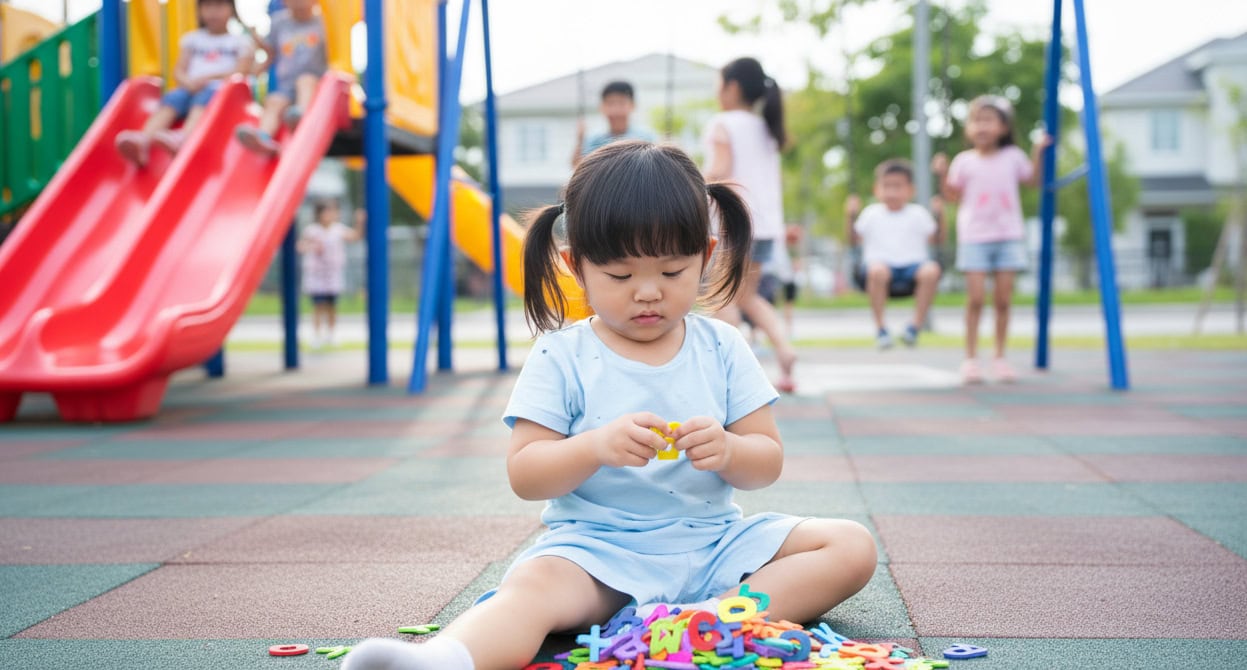
Some skills are best learned in the places where children actually use them. Community-based ABA therapy gives children the chance to practice meaningful skills in natural environments, including daycare, school, playgrounds, after-school programs, and other community settings.
With support from their therapy team, children can practice peer interaction, following group routines, communication, flexibility, emotional regulation, and independence in real-life situations.
Benefits of community-based ABA therapy
Natural learning opportunities
Children can practice skills during real routines, activities, and interactions that happen throughout their day.
Peer interaction
Community settings give children opportunities to communicate, play, share, take turns, and build relationships with peers.
Real-world practice
Skills are practiced in places like daycares, schools, playgrounds, libraries, and community outings.
Increased independence
Your BCBA provides guidance, answers questions, troubleshoots challenges, and helps adjust strategies based on your child’s needs.
Skill generalization
Community-based ABA helps children use learned skills across different people, places, and situations.
Community-based ABA therapy in daycares and schools
At True U ABA, we can provide ABA therapy services in daycares, preschools, private schools, after-school programs, and other community settings throughout the Triangle. These environments offer valuable opportunities for children to learn alongside their peers while receiving individualized support from their therapy team.
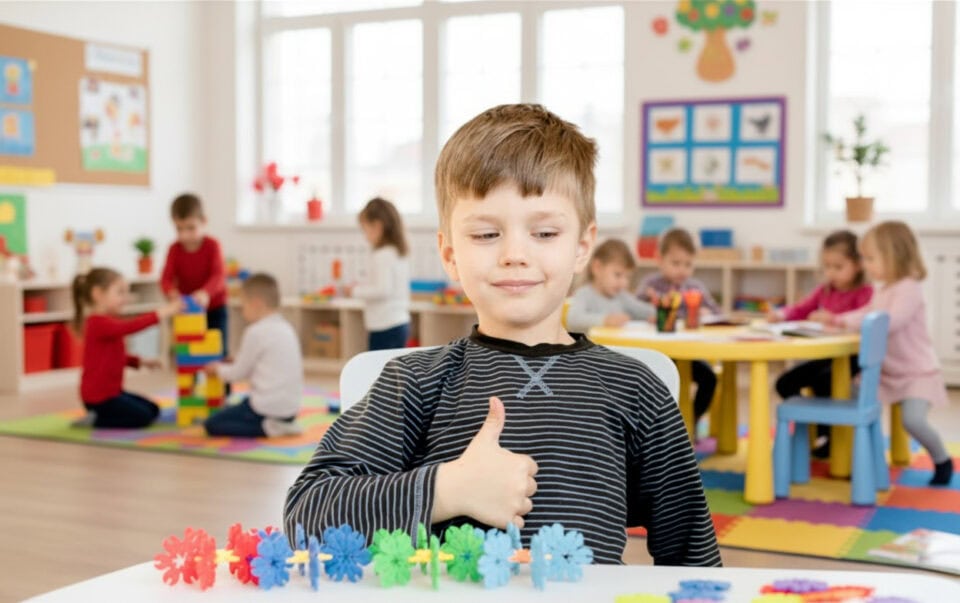
For many children, daycare or school is where they spend a large part of their day. These settings help children practice following group instructions, participating in classroom routines, communicating their needs, sharing materials, taking turns, building friendships, and navigating challenges with other children.

Classroom and group participation
Helping children participate in group activities, circle time, classroom routines, and structured learning moments.
Following directions and routines
Supporting children as they follow teacher directions, daily schedules, and transitions between activities.
Peer interaction and friendships
Helping children build positive peer relationships through sharing, turn-taking, play, and communication.
Communication and social skills
Supporting communication with teachers, caregivers, peers, and other people in the community.
Emotional regulation
Helping children manage big feelings, cope with changes, and move through daily challenges with more confidence.
Independence and self-advocacy
Building skills that help children make choices, ask for help, participate in routines, and grow more independent.
Skill generalization
Helping children use learned skills across different people, places, and everyday situations.
Community safety awareness
Supporting safety skills in playgrounds, stores, libraries, parks, and other community spaces.

Learning through peer interaction
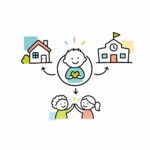
One of the biggest benefits of community-based ABA therapy is access to peers. Children have opportunities throughout the day to practice skills with classmates and other children during play, snack time, outdoor activities, group routines, and naturally occurring interactions.
These real-world moments create meaningful learning opportunities that cannot always be recreated in a one-on-one setting.
Collaboration across home, school, and community
Our therapists work closely with families, teachers, daycare staff, and other caregivers to create consistency across environments. By collaborating with the adults who support your child every day, we can help ensure that strategies are carried over throughout the school day and beyond.
We also provide caregiver training and family support to help families reinforce skills outside of therapy sessions.
Beyond daycare: community-based learning opportunities
While daycare and school-based services are often a primary focus, community-based therapy may also include support in other real-world settings such as playgrounds, libraries, after-school programs, summer camps, grocery stores, parks, and community outings.
These experiences help children apply their skills across a variety of environments and situations. Many children participating in community-based ABA therapy may also benefit from in-home ABA therapy services that support skill development within family routines.
Why families choose True U ABA for community-based ABA therapy in North Carolina
Experienced BCBAs and RBTs
Your child’s care is guided by trained professionals who understand how to support learning in real-world environments.
Individualized treatment plans
Each child’s goals are based on their strengths, needs, routines, and the settings where they need support.
Collaboration with schools and caregivers
We work with families, teachers, daycare staff, and other caregivers to help create consistency across environments.
Community-focused support
Our team helps children practice meaningful skills in the places where they learn, play, and grow.
Flexible service locations
Depending on your child’s goals, services may take place in daycare, school, after-school programs, playgrounds, libraries, or other community settings.